Around the world
BRASILE CLASSICO
When:
09 - 18 November, 2026
Price:
From € 3960
Departure:
Aeroporto di Malpensa
Day
1
Participants meet at Milan Malpensa Airport. Meet and greet with our Tour Leader, check-in, and departure on a Latam scheduled flight at 12:00 PM. Arrival in Sao Paulo at 8:00 PM, aircraft change, and departure for Rio de Janeiro at 11:05 PM..
Day
2
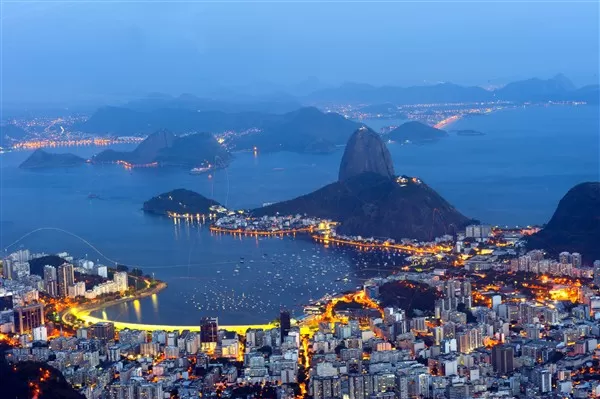
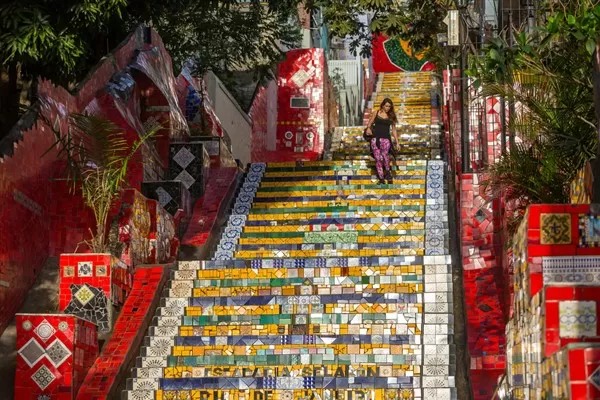
Arrival in Rio de Janeiro at 12:05 AM. After clearing customs, meet with the local guide and transfer by private coach to Hotel Novotel Rio de Janeiro Leme (or similar). Accommodation in Superior Rooms and overnight stay.In the morning, after breakfast, meet with the guide and transfer by coach to the Urca district, home to the famous Sugarloaf Mountain. The visit takes place in two cable-car stages: the first goes up to Urca Hill (215 meters high), offering a splendid view over Guanabara Bay and its islands, the Rio-Niterói bridge, and Corcovado Mountain. From there, a second cable car ascends to the summit at 395 meters, featuring breathtaking views of Copacabana Beach, Santa Cruz Fortress, and the beaches of Niterói. Lunch at a local restaurant.
In the afternoon, experience an unforgettable, behind-the-scenes look at the Rio de Janeiro Carnival—a journey through time through the historic streets of Little Africa (Pequena África), which hide the secrets of this incredible festival. The "Carnival Experience" program introduces the universe of Rio's samba schools, showcasing how the spectacular show is created and tracing the origins of samba and carnival. This narrative is brought to life by Pimpolhos, a youth samba school and NGO that, in collaboration with its "mother school" Grande Rio, opens its doors to enchant the public with the characters of this splendid cultural celebration. Rio's Carnival is one of the city's main events, attracting people from all over the world. Rio features over 90 samba schools with an average of 100,000 active members, and thousands of professionals (musicians, choreographers, dancers, and artisans) work year-round to organize it. The Pimpolhos de Grande Rio project promotes social integration and education through carnival culture. This program aligns with socio-economic sustainability, diversifying funding to ensure the continuity of their cultural projects. Return to the hotel, dinner, and overnight stay.
Day
3
After breakfast, transfer to Cosme Velho train station to board the cog train to Rio’s most famous landmark: Christ the Redeemer atop Corcovado Mountain. Traveling through the dense Tijuca Rainforest, you will reach the 38-meter-tall statue. The 20-minute train ride offers an opportunity to admire the world's largest urban forest, which covers 7% of the city's territory. At the foot of the statue, the sheer majesty of Christ the Redeemer and the panoramic views are breathtaking, overlooking the South Zone, the bay, and Niterói. To reach the actual base of the statue, guests can use elevators and escalators or take the traditional 222-step staircase.
For lunch, enjoy a traditional rodizio steakhouse experience, featuring Gaucho-style grilled meats carved directly at your table, alongside an extensive buffet of salads, side dishes, and appetizers. Included: full rodizio service, water, juices, soft drinks, one coffee or tea, and one dessert per person. In the afternoon, enjoy a walking tour of historic Old Rio. Sights include the Candelária Church, Praça XV, Travessa do Mercado, the Paço Imperial museum, the Centro Cultural Banco do Brasil (located in a beautifully restored historic building), the Casa França-Brasil museum, Rua Ouvidor, and Rua Gonçalves Dias—home to the traditional Confeitaria Colombo pastry shop (food/drinks here not included). The excursion continues toward Rua Uruguaiana, Praça Carioca, and a visit to the Carmo Church. Return to the hotel, dinner, and overnight stay.
Day
4
After breakfast, load luggage onto the coach and complete the sightseeing tour of Rio, followed by lunch at the well-known Classic Beach Lagoa restaurant. Next, experience a true sports sanctuary with an insider tour of the legendary Maracanã Stadium, host to two World Cup finals and an Olympic Games. You will explore the historical collection, the mixed zone, one of the locker rooms, the warm-up room, and the press conference room. In the locker rooms, a video of legendary football moments serves as a "warm-up" before your walk through the tunnel onto the pitch side. The historical exhibition features iconic items from players who made history, such as Pelé, Garrincha, and Zico—including the Brazil number 7 jersey worn by Mané Garrincha in the 1962 World Cup, and the ball and net from the match where the "King of Football" scored his 1,000th goal (Vasco vs. Santos, 1969).
*Note: On match days, tour schedules may vary.
Transfer to the airport in due time for the 9:10 PM scheduled flight to Iguaçu, arriving at 23:25 PM. Private coach transfer to Hotel DoubleTree by Hilton Foz do Iguaçu (or similar). Accommodation in Superior Rooms and overnight stay.
Day
5
Breakfast at the hotel followed by a full-day excursion to the Argentine side of the falls (entrance fees included). Established in 1934, the Argentine National Park is home to the Devil’s Throat (Garganta del Diablo), the single most spectacular and voluminous waterfall of the 275 cascades making up the Iguazu system. Looking like a giant funnel swallowing the earth, its imagery is famous worldwide. The visit begins at the Visitor Center, followed by a rainforest train ride to the Garganta del Diablo station, and features a 3 km walking circuit offering spectacular vantage points of the falls. Total duration: approx. 6 hours. Lunch at a restaurant during the tour. Dinner at the hotel and overnight stay.
Day
6
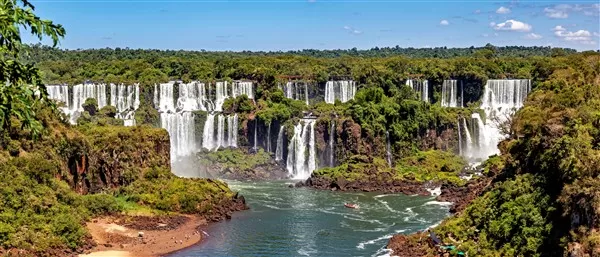
Breakfast at the hotel. Morning visit to the Brazilian side of the falls (entrance fees included). Considered one of the world's most beautiful landscapes, the falls comprise 275 cascades on the Iguaçu River (Paraná River basin). The park territory is split between Brazil (20% as Iguaçu National Park, Paraná) and Argentina (80% as Iguazú National Park, Misiones). Together, both national parks span 250,000 hectares of subtropical rainforest and are designated a UNESCO World Natural Heritage Site. The name Iguaçu translates to "Great Water" in Tupi-Guarani etymology. The Brazilian park was created in 1939, and five of the main falls are located on this side (Floriano, Deodoro, Benjamin Constant, Santa Maria, and União). Although the boardwalk trail is shorter (approx. 1.5 km), the Brazilian side offers the most spectacular, wide-angle panoramic views of the entire falls system with very easy walking access. Total duration: approx. 3 hours. Lunch at a local restaurant. In due time, transfer to the airport for the 7:40 PM flight to Sao Paulo. Arrive at 9:25 PM, change aircraft, and depart at 10:10 PM for Salvador de Bahia.
Day
7
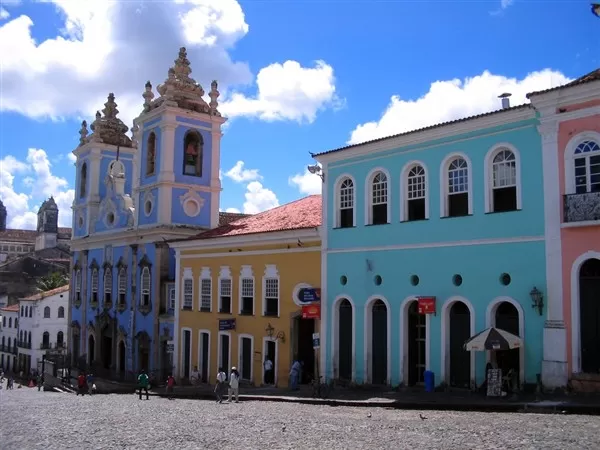
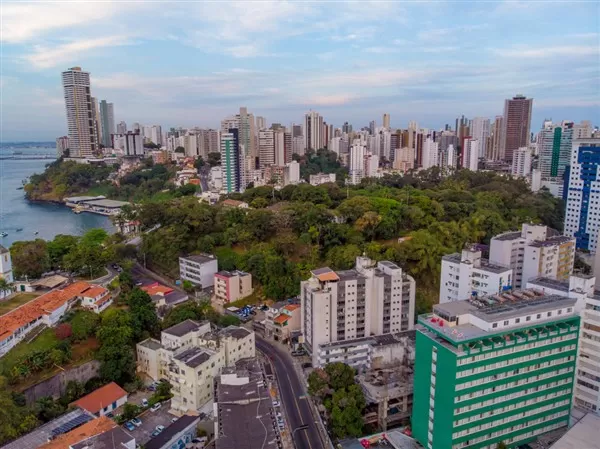
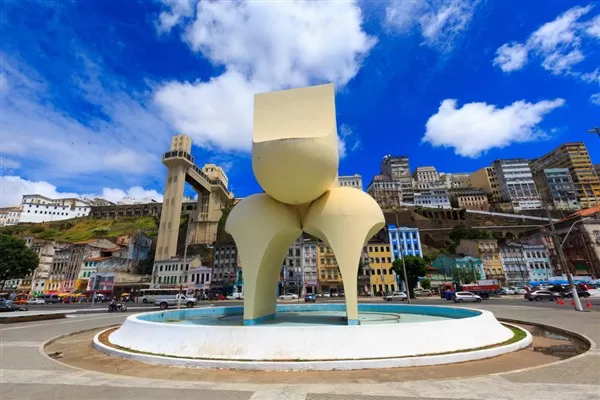
Arrival in Salvador at 12:30 AM. Coach transfer to Hotel Monte Pascoal Praia (or similar). Accommodation in Superior Rooms and overnight stay. In the morning, after breakfast, begin a full-day exploration of Brazil's first capital. Salvador harmoniously blends past and present, highlighted by its unique topographic split into the Upper City (Cidade Alta) and Lower City (Cidade Baixa). The city boasts 80 km of urban beaches; Barra and Porto da Barra are the liveliest, especially on weekends. Porto da Barra features a calm, warm cove perfect for swimming. The Barra neighborhood offers excellent infrastructure with restaurants, bars, and cafes steps from the sand. A local classic is refreshing oneself with fresh coconut water and tasting a famous acarajé. The area is also home to the iconic Farol da Barra (Barra Lighthouse), where locals gather in the late afternoon to watch Salvador's most beautiful sunset, and where massive New Year's and Carnival street parties take place. We will continue through elegant tree-lined avenues to the Pelourinho, a UNESCO World Heritage site and the largest complex of colonial architecture in South America. Starting from Municipal Square, next to the towering Lacerda Elevator, which offers beautiful views over the bay, we begin a walking tour through lively, narrow streets lined with pastel-colored historic buildings. We will visit the Church of São Francisco, featuring an exuberant Baroque interior covered in gold leaf, and the Pelourinho Square, the heart of the Old Town. The Lower City tour offers a completely different perspective, taking us to the tranquil waters of the Itapagipe Peninsula, where life moves at a slower pace. Here, fishermen work from traditional canoes and locals gather seafood at low tide under the protection of the famous Church of Nosso Senhor do Bonfim, a premier pilgrimage site deeply syncretized with Candomblé traditions (visit included). We continue to the Montserrat district for a panoramic view of the city, concluding at the Mercado Modelo, a bustling market for local handicrafts and souvenirs. Lunch during the tour, dinner, and overnight stay at the hotel.
Day
8
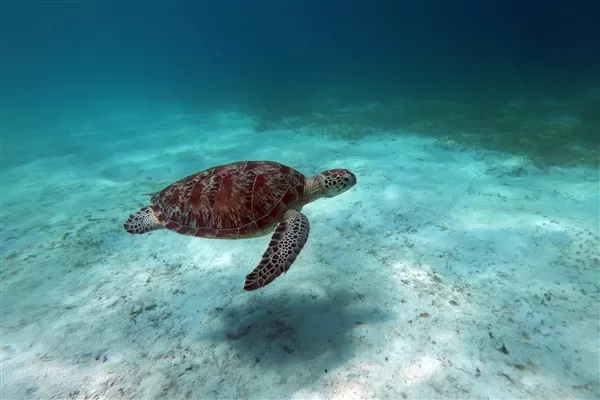
After breakfast, depart for a full-day excursion to Praia do Forte (approx. 8 hours). Located about 56 km from Salvador on the Coconut Coast, this destination is known as the "Brazilian Polynesia." It features 12 km of pristine, warm-water beaches, natural pools, dunes, and palm trees. The area hosts major environmental initiatives. After some free time for shopping, we visit the Projeto Tamar (Tamar Project), a pioneering sea turtle conservation initiative founded in the 1980s when turtle hunting threatened the species' survival. Since 1981, over 20 million sea turtle hatchlings have been safely released into the sea thanks to this project (statistically, only 1 or 2 per thousand survive to reproductive maturity at 30 years old). We then proceed to Guarajuba Beach for a swim and lunch at a beachfront restaurant. Return to Salvador in the late afternoon.
In the evening, enjoy a special dinner and cultural performance at the Coliseu Theater, featuring a buffet of local and international cuisine, including Bahia's signature dish, moqueca. Tables are arranged around a central stage hosting a spectacular folklore show. The performance begins with the sacred dances of the Candomblé deities (Orixás) in full ritual attire, followed by the fishermen's puxada de rede network-pulling dance honoring Yemanjá (the Goddess of the Sea), and maculelê, an acrobatic stick-and-sword dance originating from sugarcane plantations. The highlight of the night is an exhilarating demonstration of Capoeira, the Afro-Brazilian martial art and dance. The show concludes with an energetic audience-wide samba de roda. Overnight stay at the hotel.
Day
9
Breakfast at the hotel. In due time, coach transfer to the airport for the 12:55 PM flight to Sao Paulo. Arrival at 3:25 PM, aircraft change, and departure for Italy at 6:00 PM. Meals and overnight stay on board.
Day
10
Arrival at Milan Malpensa Airport at 09:15 AM. End of our services.
09/11/26 Milan Malpensa (MXP) 12:00 PM – Sao Paulo (GRU) 08:00 PM | Flight LA8073V
09/11/26 Sao Paulo (GRU) 11:05 PM – Rio de Janeiro (GIG) 12:05 AM (+1 day) | Flight LA3352V
12/11/26 Rio de Janeiro (GIG) 09:20 PM – Iguaçu (IGU) 11:25 PM | Flight LA3028V
14/11/26 Iguaçu (IGU) 07:40 PM – Sao Paulo (GRU) 09:25 PM | Flight LA3205V
14/11/26 Sao Paulo (GRU) 10:10 PM – Salvador (SSA) 12:30 AM (+1 day) | Flight LA3598V
17/11/26 Salvador (SSA) 12:55 PM – Sao Paulo (GRU) 03:25 PM | Flight LA3353V
17/11/26 Sao Paulo (GRU) 06:00 PM – Milan Malpensa (MXP) 09:15 AM (+1 day) | Flight LA8072V
Participants meet at Milan Malpensa Airport. Meet and greet with our Tour Leader, check-in, and departure on a Latam scheduled flight at 12:00 PM. Arrival in Sao Paulo at 8:00 PM, aircraft change, and departure for Rio de Janeiro at 11:05 PM.
Arrival in Rio de Janeiro at 12:05 AM. After clearing customs, meet with the local guide and transfer by private coach to Hotel Novotel Rio de Janeiro Leme (or similar). Accommodation in Superior Rooms and overnight stay.In the morning, after breakfast, meet with the guide and transfer by coach to the Urca district, home to the famous Sugarloaf Mountain. The visit takes place in two cable-car stages: the first goes up to Urca Hill (215 meters high), offering a splendid view over Guanabara Bay and its islands, the Rio-Niterói bridge, and Corcovado Mountain. From there, a second cable car ascends to the summit at 395 meters, featuring breathtaking views of Copacabana Beach, Santa Cruz Fortress, and the beaches of Niterói. Lunch at a local restaurant.
In the afternoon, experience an unforgettable, behind-the-scenes look at the Rio de Janeiro Carnival—a journey through time through the historic streets of Little Africa (Pequena África), which hide the secrets of this incredible festival. The "Carnival Experience" program introduces the universe of Rio's samba schools, showcasing how the spectacular show is created and tracing the origins of samba and carnival. This narrative is brought to life by Pimpolhos, a youth samba school and NGO that, in collaboration with its "mother school" Grande Rio, opens its doors to enchant the public with the characters of this splendid cultural celebration. Rio's Carnival is one of the city's main events, attracting people from all over the world. Rio features over 90 samba schools with an average of 100,000 active members, and thousands of professionals (musicians, choreographers, dancers, and artisans) work year-round to organize it. The Pimpolhos de Grande Rio project promotes social integration and education through carnival culture. This program aligns with socio-economic sustainability, diversifying funding to ensure the continuity of their cultural projects. Return to the hotel, dinner, and overnight stay.
After breakfast, transfer to Cosme Velho train station to board the cog train to Rio’s most famous landmark: Christ the Redeemer atop Corcovado Mountain. Traveling through the dense Tijuca Rainforest, you will reach the 38-meter-tall statue. The 20-minute train ride offers an opportunity to admire the world's largest urban forest, which covers 7% of the city's territory. At the foot of the statue, the sheer majesty of Christ the Redeemer and the panoramic views are breathtaking, overlooking the South Zone, the bay, and Niterói. To reach the actual base of the statue, guests can use elevators and escalators or take the traditional 222-step staircase.
For lunch, enjoy a traditional rodizio steakhouse experience, featuring Gaucho-style grilled meats carved directly at your table, alongside an extensive buffet of salads, side dishes, and appetizers. Included: full rodizio service, water, juices, soft drinks, one coffee or tea, and one dessert per person. In the afternoon, enjoy a walking tour of historic Old Rio. Sights include the Candelária Church, Praça XV, Travessa do Mercado, the Paço Imperial museum, the Centro Cultural Banco do Brasil (located in a beautifully restored historic building), the Casa França-Brasil museum, Rua Ouvidor, and Rua Gonçalves Dias—home to the traditional Confeitaria Colombo pastry shop (food/drinks here not included). The excursion continues toward Rua Uruguaiana, Praça Carioca, and a visit to the Carmo Church. Return to the hotel, dinner, and overnight stay.
After breakfast, load luggage onto the coach and complete the sightseeing tour of Rio, followed by lunch at the well-known Classic Beach Lagoa restaurant. Next, experience a true sports sanctuary with an insider tour of the legendary Maracanã Stadium, host to two World Cup finals and an Olympic Games. You will explore the historical collection, the mixed zone, one of the locker rooms, the warm-up room, and the press conference room. In the locker rooms, a video of legendary football moments serves as a "warm-up" before your walk through the tunnel onto the pitch side. The historical exhibition features iconic items from players who made history, such as Pelé, Garrincha, and Zico—including the Brazil number 7 jersey worn by Mané Garrincha in the 1962 World Cup, and the ball and net from the match where the "King of Football" scored his 1,000th goal (Vasco vs. Santos, 1969).
*Note: On match days, tour schedules may vary.
Transfer to the airport in due time for the 9:10 PM scheduled flight to Iguaçu, arriving at 23:25 PM. Private coach transfer to Hotel DoubleTree by Hilton Foz do Iguaçu (or similar). Accommodation in Superior Rooms and overnight stay.
Breakfast at the hotel followed by a full-day excursion to the Argentine side of the falls (entrance fees included). Established in 1934, the Argentine National Park is home to the Devil’s Throat (Garganta del Diablo), the single most spectacular and voluminous waterfall of the 275 cascades making up the Iguazu system. Looking like a giant funnel swallowing the earth, its imagery is famous worldwide. The visit begins at the Visitor Center, followed by a rainforest train ride to the Garganta del Diablo station, and features a 3 km walking circuit offering spectacular vantage points of the falls. Total duration: approx. 6 hours. Lunch at a restaurant during the tour. Dinner at the hotel and overnight stay.
Breakfast at the hotel. Morning visit to the Brazilian side of the falls (entrance fees included). Considered one of the world's most beautiful landscapes, the falls comprise 275 cascades on the Iguaçu River (Paraná River basin). The park territory is split between Brazil (20% as Iguaçu National Park, Paraná) and Argentina (80% as Iguazú National Park, Misiones). Together, both national parks span 250,000 hectares of subtropical rainforest and are designated a UNESCO World Natural Heritage Site. The name Iguaçu translates to "Great Water" in Tupi-Guarani etymology. The Brazilian park was created in 1939, and five of the main falls are located on this side (Floriano, Deodoro, Benjamin Constant, Santa Maria, and União). Although the boardwalk trail is shorter (approx. 1.5 km), the Brazilian side offers the most spectacular, wide-angle panoramic views of the entire falls system with very easy walking access. Total duration: approx. 3 hours. Lunch at a local restaurant. In due time, transfer to the airport for the 7:40 PM flight to Sao Paulo. Arrive at 9:25 PM, change aircraft, and depart at 10:10 PM for Salvador de Bahia.
Arrival in Salvador at 12:30 AM. Coach transfer to Hotel Monte Pascoal Praia (or similar). Accommodation in Superior Rooms and overnight stay. In the morning, after breakfast, begin a full-day exploration of Brazil's first capital. Salvador harmoniously blends past and present, highlighted by its unique topographic split into the Upper City (Cidade Alta) and Lower City (Cidade Baixa). The city boasts 80 km of urban beaches; Barra and Porto da Barra are the liveliest, especially on weekends. Porto da Barra features a calm, warm cove perfect for swimming. The Barra neighborhood offers excellent infrastructure with restaurants, bars, and cafes steps from the sand. A local classic is refreshing oneself with fresh coconut water and tasting a famous acarajé. The area is also home to the iconic Farol da Barra (Barra Lighthouse), where locals gather in the late afternoon to watch Salvador's most beautiful sunset, and where massive New Year's and Carnival street parties take place. We will continue through elegant tree-lined avenues to the Pelourinho, a UNESCO World Heritage site and the largest complex of colonial architecture in South America. Starting from Municipal Square, next to the towering Lacerda Elevator, which offers beautiful views over the bay, we begin a walking tour through lively, narrow streets lined with pastel-colored historic buildings. We will visit the Church of São Francisco, featuring an exuberant Baroque interior covered in gold leaf, and the Pelourinho Square, the heart of the Old Town. The Lower City tour offers a completely different perspective, taking us to the tranquil waters of the Itapagipe Peninsula, where life moves at a slower pace. Here, fishermen work from traditional canoes and locals gather seafood at low tide under the protection of the famous Church of Nosso Senhor do Bonfim, a premier pilgrimage site deeply syncretized with Candomblé traditions (visit included). We continue to the Montserrat district for a panoramic view of the city, concluding at the Mercado Modelo, a bustling market for local handicrafts and souvenirs. Lunch during the tour, dinner, and overnight stay at the hotel.
After breakfast, depart for a full-day excursion to Praia do Forte (approx. 8 hours). Located about 56 km from Salvador on the Coconut Coast, this destination is known as the "Brazilian Polynesia." It features 12 km of pristine, warm-water beaches, natural pools, dunes, and palm trees. The area hosts major environmental initiatives. After some free time for shopping, we visit the Projeto Tamar (Tamar Project), a pioneering sea turtle conservation initiative founded in the 1980s when turtle hunting threatened the species' survival. Since 1981, over 20 million sea turtle hatchlings have been safely released into the sea thanks to this project (statistically, only 1 or 2 per thousand survive to reproductive maturity at 30 years old). We then proceed to Guarajuba Beach for a swim and lunch at a beachfront restaurant. Return to Salvador in the late afternoon.
In the evening, enjoy a special dinner and cultural performance at the Coliseu Theater, featuring a buffet of local and international cuisine, including Bahia's signature dish, moqueca. Tables are arranged around a central stage hosting a spectacular folklore show. The performance begins with the sacred dances of the Candomblé deities (Orixás) in full ritual attire, followed by the fishermen's puxada de rede network-pulling dance honoring Yemanjá (the Goddess of the Sea), and maculelê, an acrobatic stick-and-sword dance originating from sugarcane plantations. The highlight of the night is an exhilarating demonstration of Capoeira, the Afro-Brazilian martial art and dance. The show concludes with an energetic audience-wide samba de roda. Overnight stay at the hotel.
Breakfast at the hotel. In due time, coach transfer to the airport for the 12:55 PM flight to Sao Paulo. Arrival at 3:25 PM, aircraft change, and departure for Italy at 6:00 PM. Meals and overnight stay on board.
Arrival at Milan Malpensa Airport at 09:15 AM. End of our services.
Minimum 25 participants: U.I.L.A. Member Fee: € 3,930 | Non-Member Fee: € 3,960
Minimum 20 participants: U.I.L.A. Member Fee: € 4,100 | Non-Member Fee: € 4,130
Minimum 15 participants: U.I.L.A. Member Fee: € 4,340 | Non-Member Fee: € 4,370
Single Room Supplement: € 650 per person.
Entrance Fees included:
Rio: Sugarloaf Mountain cable car, Corcovado cog train, Maracanã Stadium tour.
Iguaçu: Brazilian and Argentine sides of the National Park.
Salvador: São Francisco Church and Cathedral, Projeto Tamar.
Standard medical and baggage insurance (medical expense coverage up to € 30,000).
Meals and drinks not explicitly mentioned, any fluctuations in currency exchange rates or airport taxes, trip cancellation insurance, audio headsets, personal extras, and anything not listed under "The Fees Include."
Tips: For drivers and local guides (to be calculated before departure based on the final number of participants and collected by the Tour Leader).
Rates are calculated based on the exchange rate: 1 USD = 0.85 EUR for land services.
A passport valid for at least 180 days from the date of entry.
Capital: Brasilia
Population: 211.1 million (2023)
Total Area: 8,514,876.6 Km²
Time Zone: Varies by federal state. Generally, in major cities (Brasilia, Rio, Sao Paulo, Porto Alegre, Curitiba, Fortaleza, Belo Horizonte), the time difference with Italy is -3 hours from October to February. Brazil has four time zones ranging from the Fernando de Noronha Archipelago (East) to the Peruvian border.
Language: Portuguese (Luso-Brazilian).
Religion: Roman Catholicism is the most widespread. Protestant and Evangelical churches are also present. A unique characteristic of Brazil is the widespread practice of syncretic religions combining Christian elements with African traditions (primarily in the Northeast, particularly in the State of Bahia).
Currency: Brazilian Real (BRL)
International Dialing Code to Italy: 00 + Brazilian carrier code (e.g., 21, 15, 41, 17, 14) + 39
International Dialing Code to Brazil: +55 followed by the local area code (without the leading zero).
Mobile Networks: GSM and TDMA networks are available in most states. 3G and 4G networks are widespread in main cities. Note: Using a mobile phone while driving is strictly prohibited.
Climate: Predominantly tropical, split into 6 distinct climate zones depending on the region. Seasons are inverted compared to the Northern Hemisphere.
Average temperatures for the period: Rio de Janeiro (Low 21°C / High 30°C); Iguaçu (Low 18°C / High 30°C); Salvador (Low 23°C / High 30°C).

